
Why perfume needs alcohol at all
A perfume is mostly not scent but carrier. The fragrance materials — essential oils, absolutes, extracts — are thick, concentrated and, applied neat, would neither spray nor spread evenly on the skin. Alcohol dissolves them, carries them onto the skin and evaporates there within minutes. What remains is the fragrance, now working through its pyramid: bergamot first, vetiver last.
The alcohol shapes more than it seems. It decides how a fragrance smells in the first seconds, how softly it sprays and whether a sharp, foreign note runs underneath the top notes. Perfumers therefore do not speak of “some” alcohol — they speak of the quality of their base.
Denaturing: the word, the duty, the reason
Alcohol you can drink is taxed — in every European country. Whoever uses it in cosmetics has two options: pay the duty or denature the alcohol. Denaturing means adding a substance that makes it undrinkable: bitter, harsh or simply unpalatable. Denatured alcohol then no longer counts as a beverage and is, as a rule, exempt from alcohol duty.
This is no trick but common practice and legally sound. Practically every perfume brand, from the drugstore to niche perfumery, works this way — the price difference is considerable. On the ingredient list it shows in two short strings: “Alcohol denat.” is denatured, “Alcohol” without the suffix is not.
What goes into the bottle with it
Various substances are permitted as denaturants. Common in perfume are bittering agents such as denatonium benzoate, tert-butyl alcohol (TBA for short) and, historically the most widespread, diethyl phthalate — a plasticiser that also acts as a fixative and makes fragrances cling longer. All three are permitted in cosmetics in the EU and the UK. Whether you want them on your skin is a question everyone answers for themselves — but you can only answer it once you know they are there.
And that is the point: “Alcohol denat.” is a collective name. Which agent was added is usually not written next to it. Some lists additionally show “Denatonium Benzoate” or “t-Butyl Alcohol”, many do not. A perfume can therefore rightly be described as “natural” because its fragrance materials come from plants — and still carry a synthetic additive in its largest component.
Why almost nobody goes without
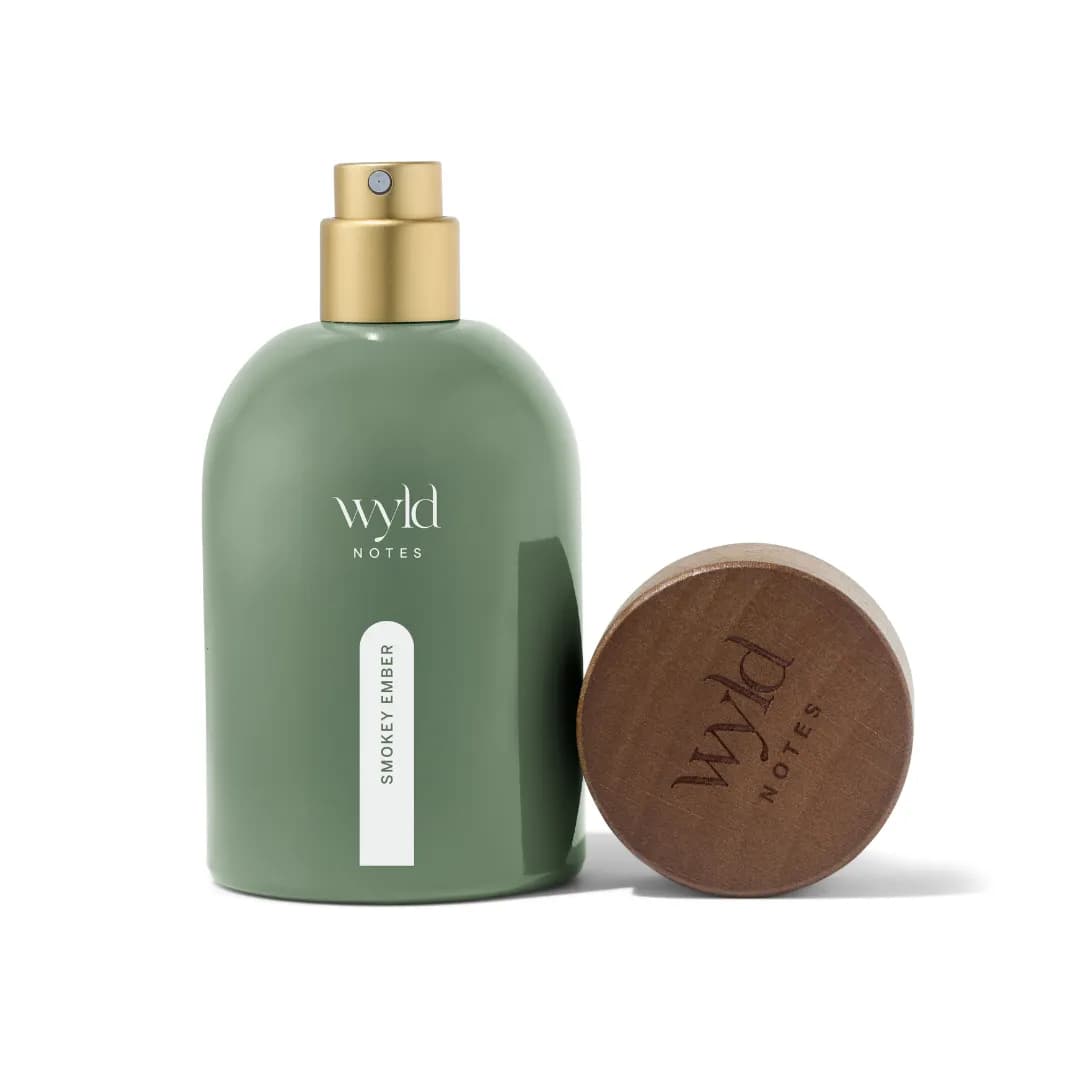
Undenatured alcohol is the more expensive and the more awkward choice. It is, as a rule, fully taxed; whoever fills it in a cosmetics plant needs permits that otherwise only beverage makers hold; and it has to be bought in food grade. Wyld Notes describes this route as the hardest hurdle of its own development: according to the brand, the organic, undenatured sugarcane alcohol costs a multiple of the denatured kind, and a filler holding both an alcohol licence and cosmetics approval was only found after dozens of refusals. We repeat this as the brand tells it (as of August 2026) — we cannot verify it.
What we can verify is the public statement. On its pages, Wyld Notes writes that all fragrances are set on organic, undenatured sugarcane alcohol, and explains in its FAQ that the industry usually uses denatured alcohol, often treated with tert-butyl alcohol. That is a clear, checkable statement — and exactly the kind of openness by which you recognise makers who say more than they have to.
How to read the label
First: find the first line of the ingredient list. If it says “Alcohol denat.”, the carrier is denatured — true of almost all perfumes, including many that carry “clean” or “natural” in their name. If it says “Alcohol”, it is not; that is rare and mostly no accident.
Second: read on. If “Denatonium Benzoate”, “t-Butyl Alcohol” or “Diethyl Phthalate” appears, you know the denaturant. If nothing appears, you only know that one is in there. Third: judge the maker by whether it answers the question at all. A brand that names its alcohol — origin, grade, denatured or not — usually has little to hide about its fragrance materials either.
If you do not mind, that is fine: a denatured alcohol does not make a perfume bad. But if you buy natural perfume because you want to know what you spray on your skin, the carrier is part of the answer. It is the largest part of the bottle.