
The three enemies
Light is the fastest: UV radiation breaks down fragrance molecules, above all the delicate citrus and herbal notes up top — the fragrance goes flat, tips into sourness, the colour darkens. That is why good perfumes come in boxes, and why a bottle does not belong on a sunny windowsill, however good it looks there.
Warmth accelerates every chemical change in the bottle — the warmer, the faster the composition ages. And temperature swings are even more treacherous than steady warmth: the constant up and down of showering and airing works inside the bottle like a time-lapse.
Natural perfumes are hit hardest: essential oils are lively multi-substance blends without synthetic stabilisers — what makes their character also makes them more sensitive.
The right place
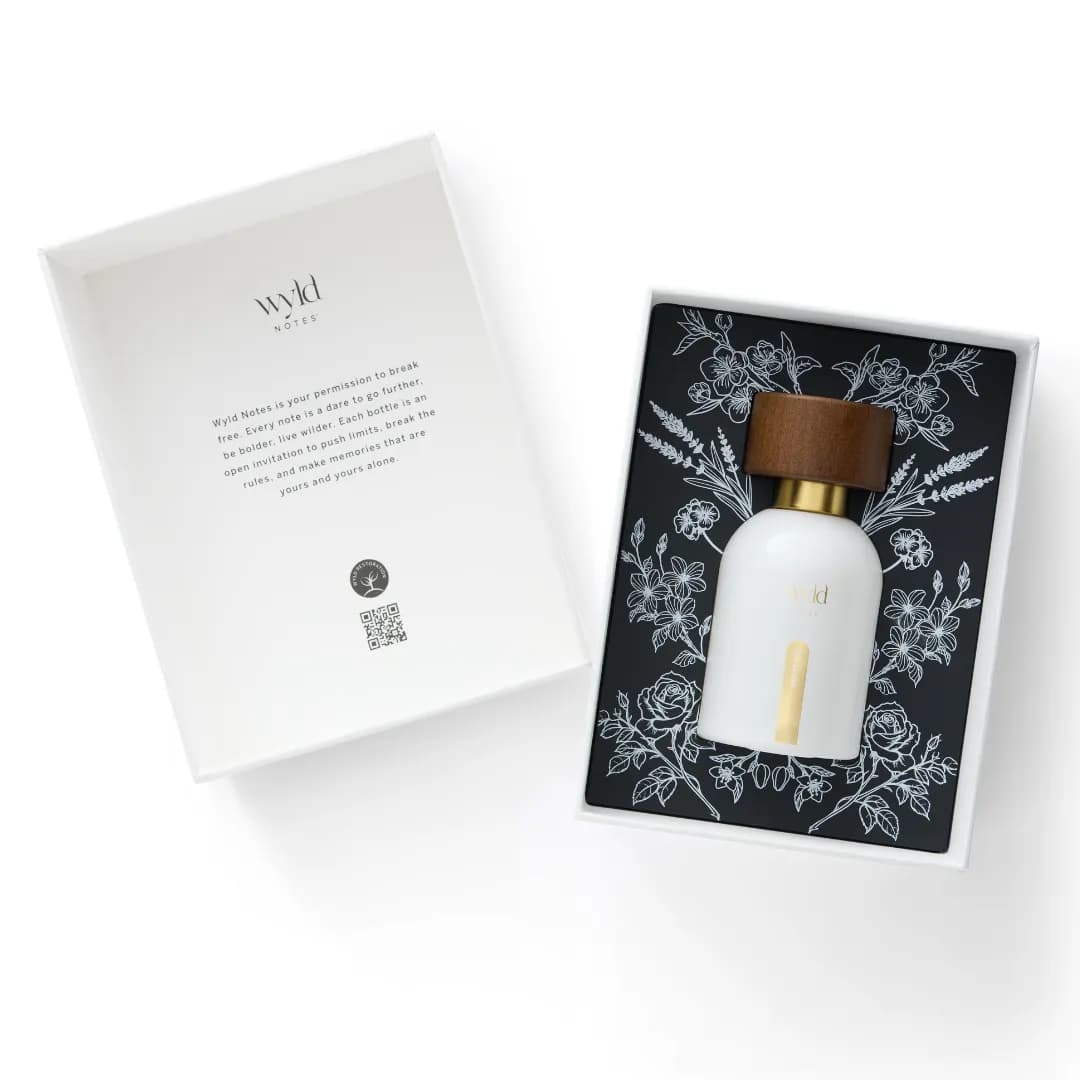
Ideal is a wardrobe or a drawer in the bedroom: dark, evenly tempered, dry. Better still: in the original box — it is not packaging waste but a light shield the maker ships along. If you want to be thorough, store opened favourites meant to last long in the fridge; for everyday purposes the dark wardrobe is plenty.
And: keep the bottle closed and standing upright. Every contact with air brings in oxygen, and a lying bottle lets the fragrance work on the seal permanently.
How to tell a fragrance has aged
Three signs: the colour has darkened noticeably, the opening smells blunt, sour or of solvent, and the fresh top notes are missing — leaving only the heavy base. Often only the top note is affected: the first spray smells odd, a minute later the fragrance is itself again. Then it is worth wearing on rather than throwing away.
The small storage ritual
Our suggestion for everyday life, quite unceremonious: the bottle lives in the wardrobe, not in the bathroom. Apply after the shower in the bedroom — the skin is the better place there anyway, rather than humid bathroom air. And if you own several fragrances, write the purchase date small on the bottom of the box: not an expiry date, just an honest note that helps you sort things out later.